
Akron Resident Lookup Records
Official records in Akron answer narrow questions. The Summit County Fiscal Office property search identifies parcel and tax-record fields, not everyone connected with an address. The Recording Division can connect a named party to a recorded instrument. Court databases can establish a party or case connection. The Ohio voter tool documents registration information subject to statutory exclusions. Vital and archival sources add event or relationship leads. None of these records, alone or together, establishes a present household roster.
| Record | What It Confirms | Where | Access |
|---|---|---|---|
| Property tax record | Recorded owner, parcel, situs and tax correspondence fields | Summit Fiscal Office | Public online search |
| Recorded document | A party’s role in a transfer, lien, mortgage, plat, or other instrument | Recording Division | Web index, IBAV, counter, or mail-copy route |
| Voter record | Public registration fields and precinct information, when available | Ohio Voter Lookup | Name plus county search, subject to exclusions |
| Court docket | Party, case type, division, and case identifier | Summit County Clerk | Separate court portals and counters |
| Vital or archive record | A dated birth, death, marriage, obituary, or relationship lead | Summit County Public Health | Custodian, library, archive, or court route |
Start with the record that matches the question. A property question belongs with the Fiscal Office. A marriage, estate, guardianship, or name-change lead belongs with Summit County Probate. An old household clue belongs with Akron-Summit County Public Library collections. Record the search date before comparing results. That matters because a tax year, registration entry, and historical directory edition reflect different moments.
Note: A missing result can reflect the wrong custodian, a protected record, an index gap, or a name variant, not proof of absence from Akron.
Akron Resident Lookup Court Routes
Akron Municipal Court, the Summit County Clerk of Courts, and Summit County Probate each keep distinct routes. The Common Pleas General Division name search is an initial lead for civil or criminal cases. It requires at least three letters of a first and last name when using the person route, or a company name. A result should be carried to the Clerk’s system or counter for the complete record, because the first result is not the full file.
| Common Pleas field | How it narrows a search |
|---|---|
| First Name and Last Name | Paired person search, with at least three letters in each field. |
| Middle Initial | Optional detail for separating similar names. |
| Company Name | Alternative to a person-name route. |
| Case Types | All, Criminal, or Civil. |
The Clerk’s division selector also separates civil, criminal, domestic, appeals, and naturalization records. Probate eServices has its own case-number, name, type, attorney, and ticket or citation paths. Akron Municipal Court is likewise case, citation, payment, and name oriented. Sealed, juvenile, adoption, expunged, confidential, and redacted material may not appear. A missing docket is not a conclusion about a person.
Akron Voter Lookup Boundaries
The official Ohio lookup uses first name, last name, and county, with Summit selected for an Akron person search. A street-name control can appear after an initial query to narrow the result. It is not a public street roster. The public web database can make name, birth date, current residence address, precinct, registration date, voting history, and last activity available, subject to the limits in Ohio law. Voting history identifies election and ballot type where applicable, not candidates or ballot choices.
Ohio Revised Code sections 3503.13 and 3503.153 exclude or protect items including Social Security and identification numbers, phone and email data, confidential voter records, protected addresses, and other barred information. The Summit County Board of Elections is the appropriate custodian for record questions and corrections. A registration entry is one dated administrative record, not proof that a person presently occupies an address.
For a broader historical or file-based request, Ohio’s DATA Act voter registration snapshots use election, date, and county controls, while the Board has its own public-inspection rules. Keep the request narrow and tied to an existing record. The public online result should not be copied into a personal profile.
Verifying an Akron Resident
To look up a resident responsibly, anchor a name to one official record, then compare identifiers that serve the same purpose. A matching name is not enough. A property row may contain a recorded owner and a tax correspondence address. A deed may identify a grantor or grantee. A court hit may identify a party to a case. Preserve those labels instead of changing them into a claim about a person’s current location.
- Search the property record or recorded-document index for a name, parcel, legal description, or document lead that fits the question.
- Write down the tax year, document number, recording date, case number, or other source identifier exactly as shown.
- Run the appropriate court or voter search with the full name, middle initial, and Summit County only when the record type supports that comparison.
- Use the custodian’s copy, counter, or request process to verify a specific record when the public screen is incomplete.
- Docket
- A court’s running list of filings and events in a case. It identifies the case trail, but may not include every public image.
- Index and image
- An index is a searchable finding aid. An image is the underlying scanned record, which can be absent, redacted, confidential, or available only from the custodian.
- Certified copy
- A copy issued or authenticated by the responsible office for the purpose the office recognizes. A downloaded portal image is not automatically certified.
When ownership and a dated directory entry disagree, retain both with their dates. The Akron city directory route is useful for a historical listing, while the present Fiscal Office record is a separate tax-record source. The difference may describe time, record purpose, or a different person with the same name.
Note: Record the source type and date beside every result so a dated filing is not mistaken for an undisputed present fact.
Akron Probate Result Details
Summit Probate eServices is the right route for estate, marriage-license, guardianship, adoption, and name-change case leads. Case-number searches require the exact format, including spaces and leading zeros. Cases issued before December 29, 1999 may be searched by name only. Public cases generally have images, yet confidential entries do not display and some images remain at the court. Marriage-license images are not certified copies.
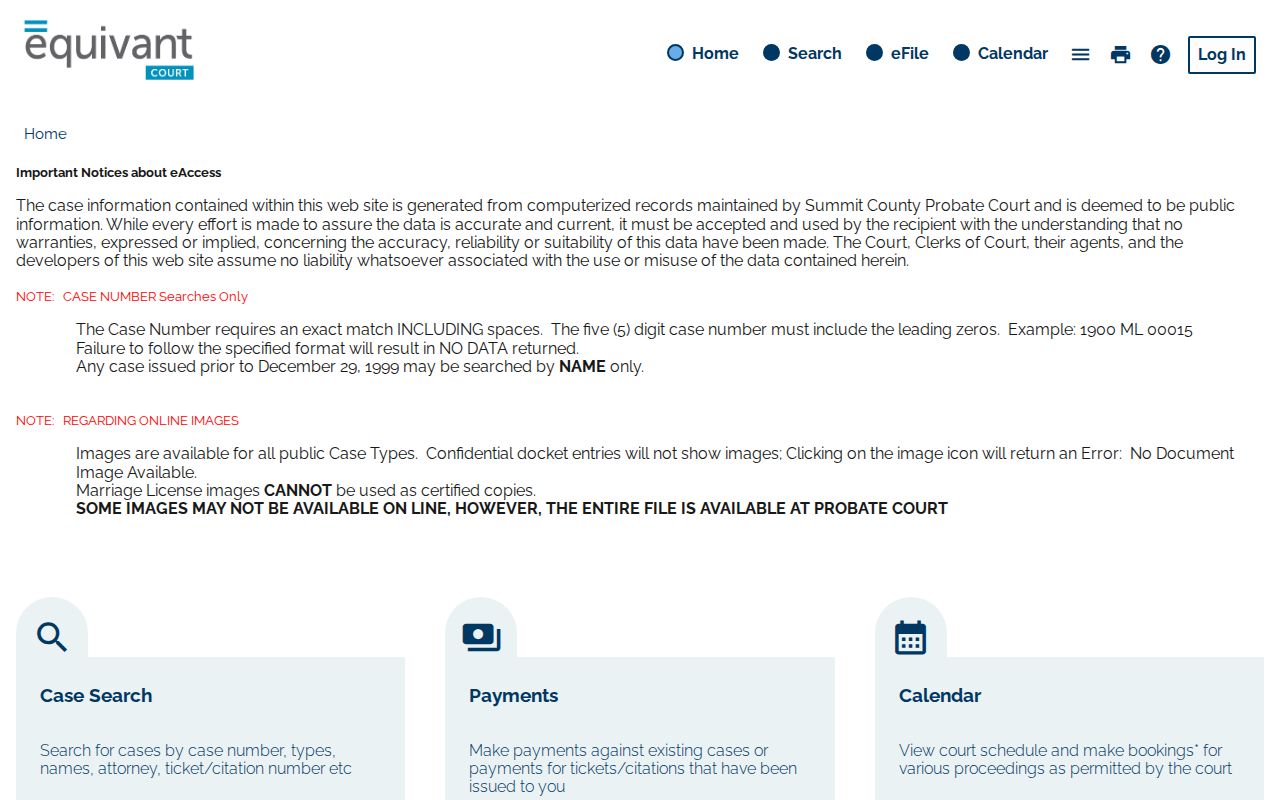
A portal result can identify a case number, case type, party or attorney, ticket or citation where relevant, calendar or payment information, and whether a public document image is indicated. Check the party role and case type before drawing any connection. The Probate Records Room is the fallback when the portal has no image or a certified court copy is needed.
Akron Vital Record Checks
Summit County Public Health issues certified Ohio birth certificates and certified death certificates for deaths in Summit County. Ohio birth, death, and fetal-death records are public, and SCPH lists counter, walk-up, kiosk, online, telephone, and mail ordering paths. A current order should follow the live office instructions. Uncertified birth, death, and fetal-death certificates are not available under Ohio law.
The important limitation is targeted. Under R.C. 3705.23, a decedent’s Social Security number is excluded from a certified death certificate for the first five years unless a qualified requester makes the specific request with identification and relationship or authority proof. Marriage licenses are Probate Court records. Divorce records are held through the Clerk’s court route. These sources can confirm a dated event or relationship lead, not a present address.
Ohio has no blanket 50, 75, or 100-year closure rule for ordinary birth and death copies. Restrictions depend on the record and the field at issue. For older material, use the Ohio History Connection and library routes named by the Akron-Summit County Public Library, then request the particular record from its custodian.
Akron Resident Lookup Scope Checks
Official state tools can provide narrow corroboration when their scope fits. Ohio Business Search identifies entity and Agent or Registrant information, but the Secretary of State says it does not maintain ownership or officer lists. Ohio UCC search can connect a debtor or secured party to a financing filing. eLicense Ohio can confirm a credential where the relevant board publishes it. Those results should remain what they are, an entity, filing, or credential connection.
The federal inmate locator is separate from Akron and Summit County court systems and has its own federal-custody scope.
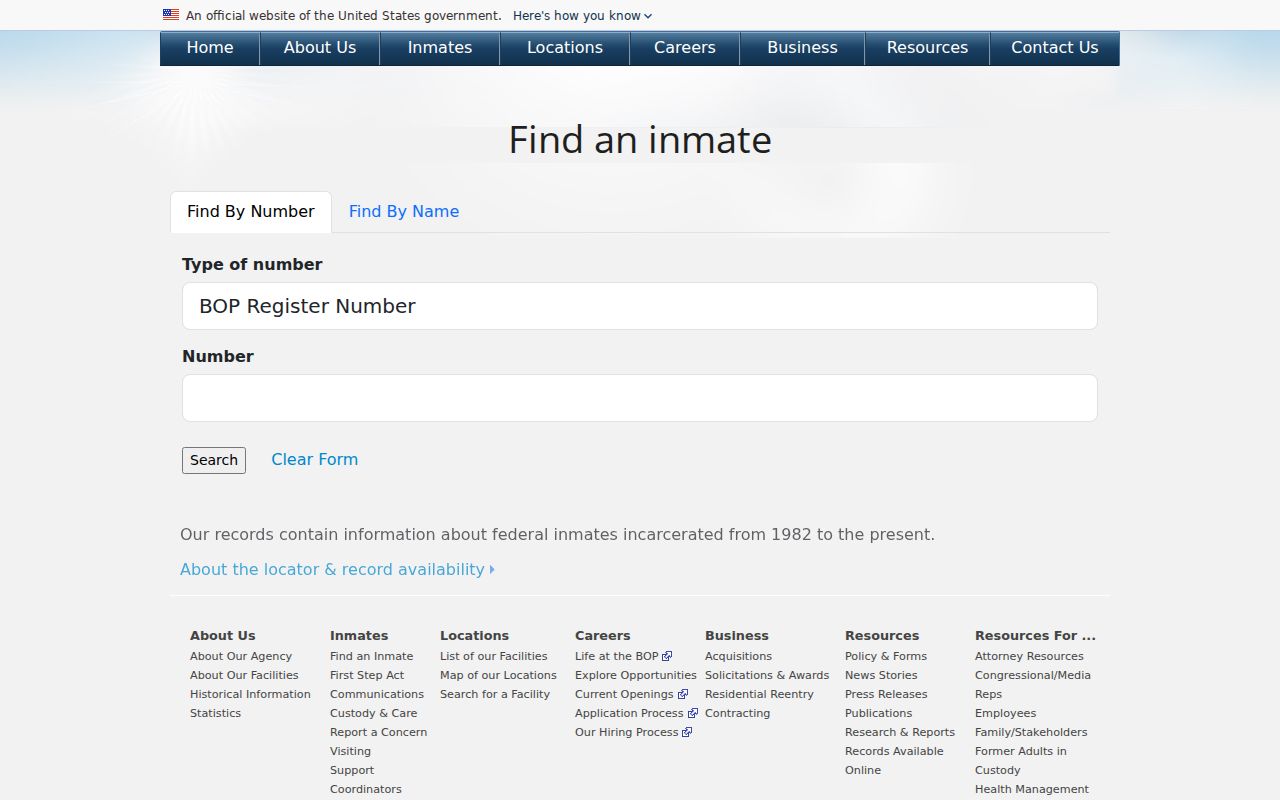
A custody, statutory-agent, credential, or unclaimed-funds result must not be converted into a residential claim. The research also cautions that supervision addresses can be stale. Use the exact agency record only for its stated purpose, and return to a local court, property, voter, or historical source when that is the actual question.
Akron Heir and Classmate Trails
A dated family-history question needs a dated source. An heir trail can begin with a death or obituary lead, then move to a Summit Probate estate or fiduciary filing. The library’s obituary and local-record collections can supply a citation or a request route, while Probate can confirm whether a relevant estate case exists. No estate filing does not prove that no relationship existed.
Former-classmate research belongs in yearbooks, directories, and archive collections. The University of Akron Archives and Special Collections recommends city directories, maps, and yearbooks for family-history work, with staff contact before a visit because holdings vary. These are historical materials. A listing in one volume establishes only what that volume records at that time.
Akron Resident Records Fallbacks
When an online result stops short, ask for a specific existing record rather than a broad person search. The Recording Division has browser-searchable documents from 1988 forward, an Index Book Archive Viewer for 1840 through 1988, public computers at the counter, and a mail-copy route. The Clerk of Courts has an online public-record request form with delivery choices for a known case or record. Akron Municipal Court also distinguishes direct inspection or copies at the Clerk office from remote access.
Ohio’s Public Records Act, R.C. 149.43, requires a public office to make public records available for inspection at reasonable times during regular business hours and to provide copies within a reasonable period. The office may seek clarification for an ambiguous or overly broad request and may charge actual copy cost. Court records also follow court rules and orders. The custodian decides whether an exception or redaction applies.
Summit County Public Health is the vital-record counter. Summit County Probate and the Clerk have their own record rooms. Akron-Summit County Public Library Special Collections accepts constrained research and copy requests. Those channels are useful because they locate or explain a defined record, not because they create an all-purpose resident profile.
Note: A precise request with a case number, document number, date, or named record is more likely to reach the correct Akron custodian.
Legal Limits on Akron Resident Lookup
Ohio records include real privacy boundaries. R.C. 149.45 prevents public offices from posting unredacted Social Security numbers online and provides a written redaction route for specified personal information where practicable. Voter law excludes confidential records and protected addresses. BMV personal information is restricted under R.C. 4501.27. A private opt-out request does not erase an accurate government record, and an unofficial directory cannot correct the underlying custodian’s file.
Ohio Safe at Home, R.C. 111.41 through 111.47, can provide a substitute address and confidential voter record for qualified survivors who apply with a trained Application Assistant. It can also support a Real Property Confidentiality Notice for a participant who acquires property. The program cannot erase information already published elsewhere, and a protected or absent result must never be treated as evidence against a person.
Lawful use. Use Akron resident records for personal, lawful research and verify them with the custodian. Public availability never permits stalking, harassment, intimidation, or harm.