
Akron Neighbors by Parcel
Public sources around an Akron address have different purposes. The county map establishes the arrangement of parcel polygons. A tax record provides the Fiscal Office fields for one parcel. The Recording Division can confirm a recorded transfer or other instrument. Historic library sources add a dated street context. The Ohio voter channel is a name-and-county system with statutory limits, not a tool for producing a street roster. Read each source as the source labels it.
| Source | What It Shows About a Block | Access |
|---|---|---|
| Summit County GIS Viewer | Parcel shapes, situs, GISID, account, roads, and reference layers | Public interactive map, then individual parcel review |
| Fiscal Office Property Search | Parcel tax and recorded-owner fields for a selected property | Public property search |
| Recording Division | Document and ownership-history leads tied to an individual parcel | Web, IBAV, counter, or mail-copy path |
| Historic directories | Past street and householder listings in dated volumes | Digital collection or Special Collections |
| Ohio voter channel | Allowed registration information for a named person | Name plus county, Board, or authorized public-file route |
Parcel ownership is not a household list. The owner field can differ from the people associated with an address, and a tax mailing field is for correspondence. Historic directories are also time-stamped listings, not evidence about the present. This distinction is the key to any careful Akron neighbors search.
Note: Use “adjacent parcel” or “recorded owner” when that is what the public source shows, rather than labeling every result as a neighbor.
Mapping Akron Neighbors Through Parcels
The documented adjacent-parcel method is a manual record trail. It uses the official map to see contiguous polygons, then treats each parcel as a separate item. The research did not establish an automated block or radius control in the GIS Viewer. Visual proximity is only the starting point. Ownership statements need the separate property or recording record.
- Search the target address and retain its parcel or GIS ID, account number, situs, and property-search date or tax year.
- Open the Summit County GIS Viewer, navigate to that parcel, and visually identify contiguous parcel polygons along the immediate block.
- Select each parcel individually and write down its distinct account, GISID, situs, and displayed owner or address attributes.
- Open the Fiscal Office property record and the Recording Division route for each item before stating anything about a recorded owner or instrument.
- Keep parcel facts, document numbers, dates, and grantor or grantee roles separate. For a longer named-street chain, use the Akron street directory record path.
The GIS layers include parcels, roads, cities, subdivisions, communities, sections, contours, and township or range references. Their value is orientation. A parcel popup can carry situs, GISID, account, lot number, owner, address, and physical-property fields, but the layer schema does not promise that every parcel has every item populated or unredacted.
Akron Neighbor Property Records
The Fiscal Office interface supports optional parcel, route, owner, address number, street, and ZIP fields. It also displays tax-year choices, sorting options, and result-page sizes. Begin narrowly, adjust the tax year on purpose, and sort by address when comparing a few selected parcels. Broad searches can return many results, so one result screen should not be read as a complete block survey.
For a recorded ownership lead, the sequence is address to parcel or GIS ID, then property record, then current deed or instrument, then earlier grantor, grantee, and legal description. The Recording Division says browser-searchable documents begin in 1988, while the Index Book Archive Viewer reaches 1840 through 1988. Public computers at the counter and mail copies remain available. The document index guides the search, but it is not a formal title opinion.
A deed can identify the recorded parties and a legal description. It does not identify every person connected with the parcel. Likewise, a property situs is the location assigned to the parcel, while a mailing field is correspondence information. Physical fields such as year built or living area can distinguish structures but do not identify people.
Ohio Voter Rules for Akron Neighbors
The official Ohio Voter Lookup requires first name, last name, and county. Select Summit for an Akron name search. A street-name dropdown may appear as a narrowing control after the initial query. That sequence is different from a block lookup. Ohio law makes specified voter fields public while excluding Social Security numbers, identification numbers, phone, email, confidential records, protected worker addresses, and other protected information.
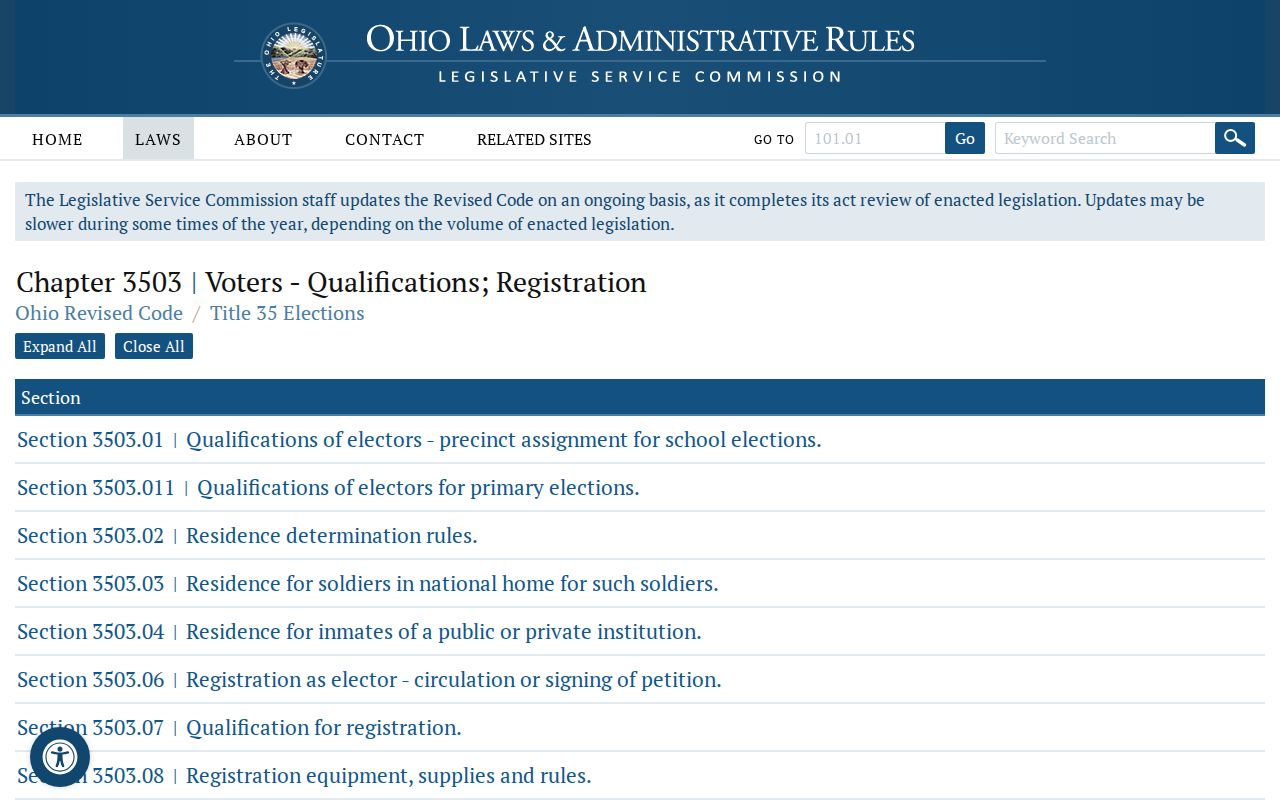
Ohio’s voter-registration statutes set the public-record and exclusion rules for the underlying system.
The Summit County Board of Elections has public inspection and copying rules, with an election-period restriction on interference. Ohio DATA Act snapshots are county files tied to an election-window schedule, not curated neighbor lists. A result may provide a dated registration lead, yet protected and confidential records may be absent. Never use an address field as proof of current household membership.
Akron Neighbor Record Fallbacks
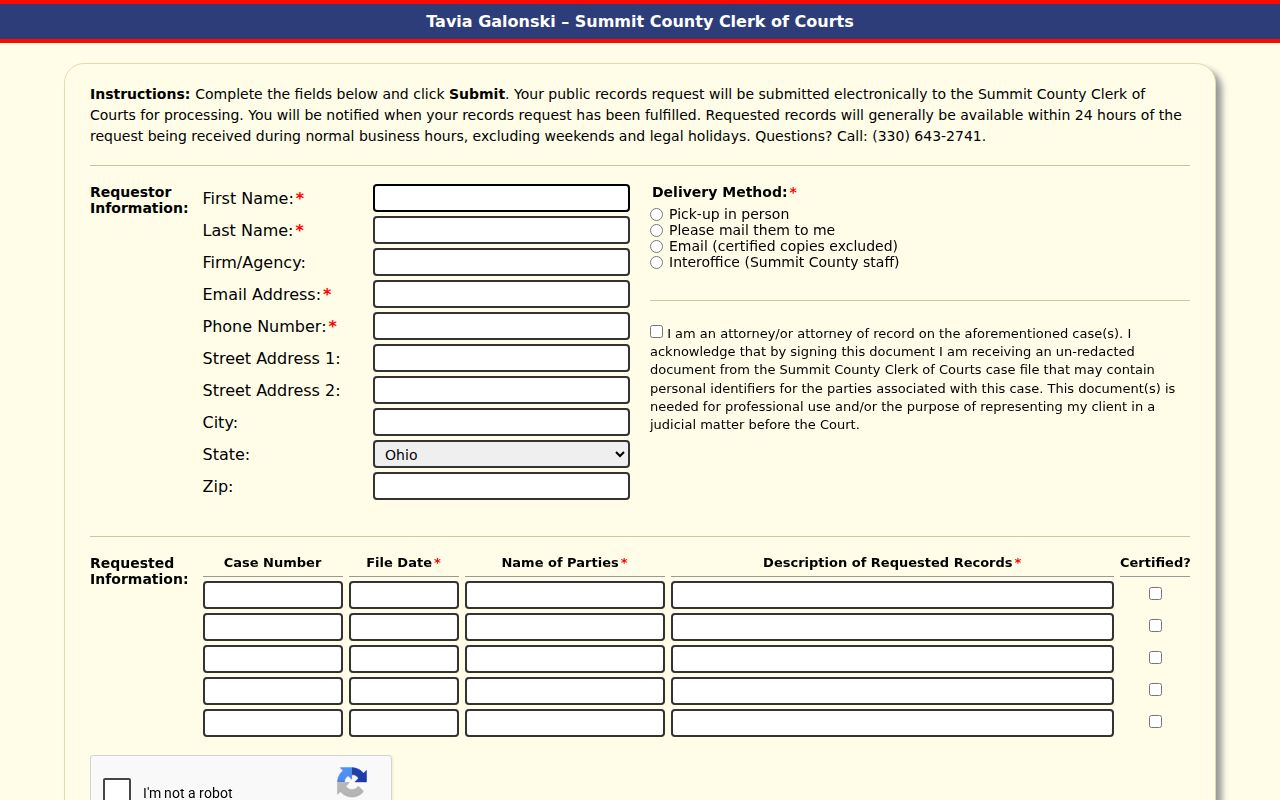
When the map or a public screen does not answer a narrow records question, use the custodian that holds the existing record. The Recording Division can explain document numbers, public-terminal access, and the copy route, although it does not perform title searches. The Clerk’s public-record form asks for a known case number, file date, parties, and requested record description. It is a record-delivery tool, not a service for building a block profile.
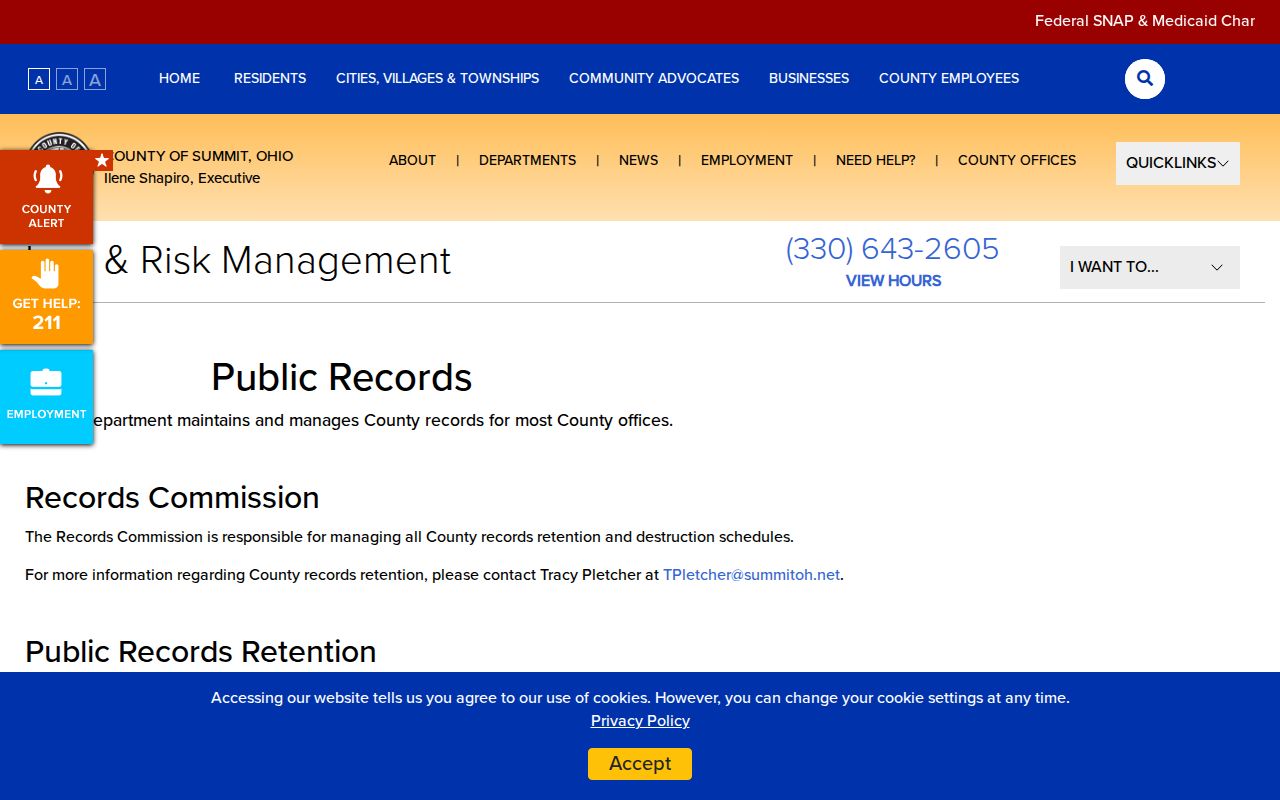
Summit County’s public-records information identifies a county request channel for executive-office records.
The Summit Clerk public-record request form offers pickup, mail, email for eligible records, and county interoffice delivery.
Ohio’s Public Records Act, R.C. 149.43, provides for inspection at reasonable times during regular business hours and copies within a reasonable period. An office may seek clarification when a request is ambiguous or overly broad. Court rules, orders, confidentiality provisions, and redactions still apply. A specific document, date, or case number gives the office a workable request.
Akron Neighbors Community History
Akron’s community layer is strongest as history and archival discovery, not a current membership database. The research did not locate an official citywide association roster or a verified public list for current association, civic-council, block-watch, or congregational membership. Public organization contacts, if any, should remain organization contacts. Their absence or presence says nothing about a household’s status on a block.
| Community resource | What it offers | What it does not establish |
|---|---|---|
| ASCPL archival catalog | Discovery paths for Beth El, local clubs, the Jewish Community Board, St. Paul’s, veterans’ cards, and the Neighborhood History Project | Current member lists or a block roster |
| Summit Memory | Digital local-history collections from county partners | Present household membership |
| University of Akron Archives | Regional archives, maps, directories, and yearbooks, subject to holdings and staff contact | A current neighborhood directory |
| Summit County Historical Society | Collection and history context, with documents and photographs available through ASCPL relationships | A separate online name index |
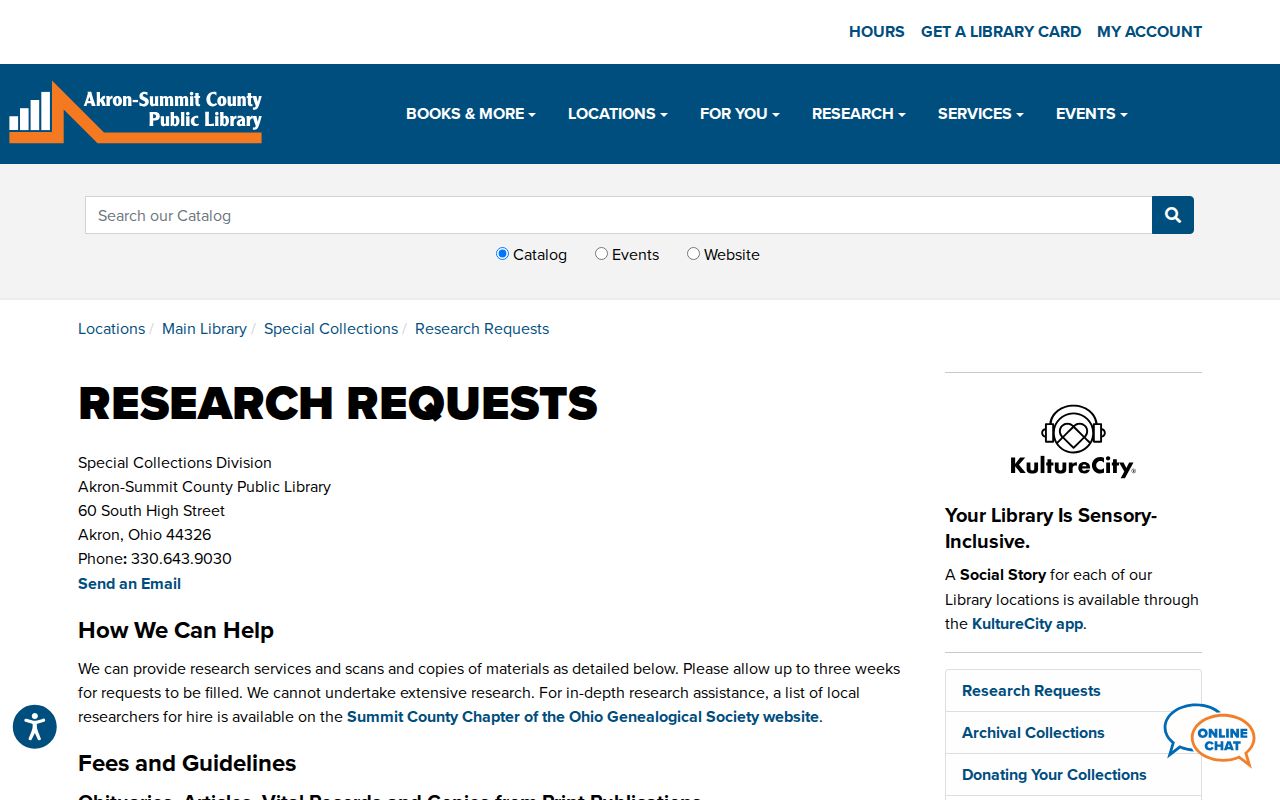
Akron-Summit County Public Library research requests are an appropriate path for constrained historical questions, copies, and citations.
Historic city directories and Haines criss-cross volumes can place a past listing in street order. Use the edition date and compare neighboring volumes before drawing a historical conclusion. A historical neighbor context does not become a statement about a current block.
Official and Commercial Neighbor Categories
Official records and commercial neighbor-search categories serve different purposes. The official sources name the public custodian, source date, and scope, even when an item is incomplete. Commercial compilations can be convenient leads, but may combine same-name people, retain stale material, and provide no reliable way to test the source behind a claim. A responsible comparison stays with the underlying public record.
| Official record route | Commercial category | Practical check |
|---|---|---|
| GIS, property, or recorded document | Compiled address or people listing | Confirm the parcel, document number, date, and custodian. |
| Ohio voter or Board channel | Undated voter-style list | Check the statute, permitted fields, county, and record date. |
| ASCPL directory or archive | Historical name compilation | Record the volume, edition date, page, and collection limits. |
For the immediate block, the county parcel and recording sources are the primary records. For a date-stamped past street listing, use the library. Do not fill a gap with an assertion that a commercial category is more current or more complete than the custodian’s record.
Historic Akron Neighbor Context
For a historic block, read a city directory’s street section in address order, then compare the adjoining edition and a Haines criss-cross volume. If a number changes, check cross streets, the legal description, map evidence, and names before assuming a household moved. Akron-Summit County Public Library warns that street-number systems often changed in the early twentieth century, and the research found no authoritative citywide renumbering year to apply broadly.
Sanborn sheets can test the period building footprint, corner, use, or street layout. They do not identify residents. The same is true of maps and physical parcel fields. They add context to a specific documented record but cannot turn nearby land into a list of people.
Privacy Limits for Akron Neighbors
Private boundaries are part of the record trail. Property and GIS systems do not expose a complete list of renters, household members, utility customers, delivery accounts, or DMV addresses. Ohio restricts BMV personal information under R.C. 4501.27. Voter law excludes confidential registration and protected addresses. An unavailable or redacted entry is not evidence that a person is absent from the block.
Ohio Safe at Home, R.C. 111.41 through 111.47, provides a substitute address and confidential voter record for qualified survivors who apply with a trained Application Assistant. It can also support a Real Property Confidentiality Notice for a participant who acquires property. The program is a safety measure, not a reason to search for a hidden address, and it does not erase prior publication across the wider internet.
Lawful use. Use public Akron block records for personal, lawful research and respect protected information. Public access never permits watching, stalking, harassment, intimidation, or harm.